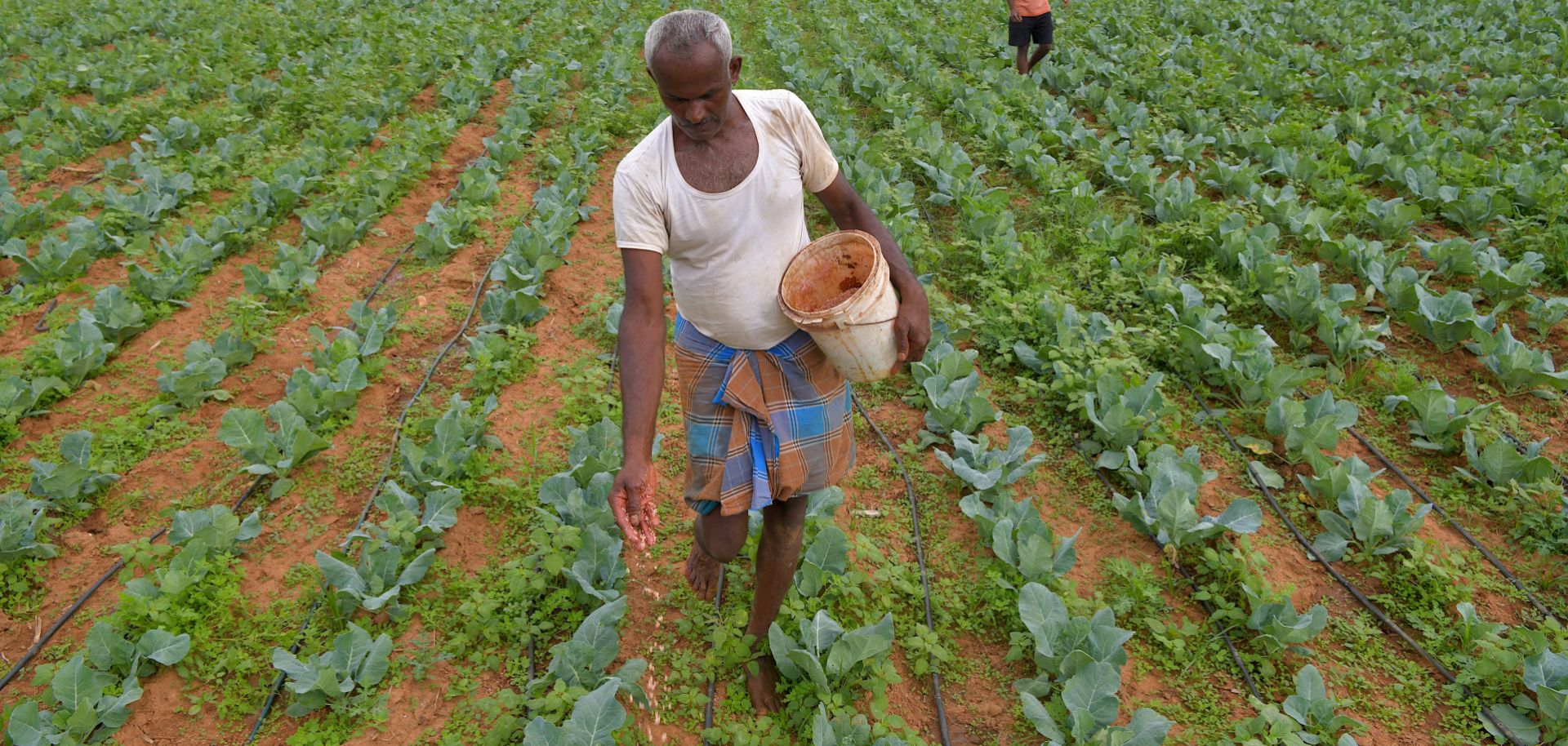
Shipping disruptions in the Strait of Hormuz are reducing global supplies and increasing costs of nitrogen- and phosphorus-based fertilizers, which could lead to lower crop yields, higher food prices and fiscal stress for agricultural producers if the Iran conflict persists for several more weeks. The ongoing disruption to shipping and energy flows through the Strait of Hormuz amid the Iran war is rattling global fertilizer markets by constraining supply, driving up logistics costs and increasing energy prices. The Gulf region is a critical hub for global fertilizer trade, making any interference highly consequential. Roughly one-third of all internationally traded fertilizers and nearly half of traded urea volumes are either produced in the region or rely on its transit routes. Specifically, the Gulf accounts for around 45% of global urea exports, roughly 30% of ammonia exports and around 25% of phosphate fertilizers. Shipping through the Strait of Hormuz normally carries around...