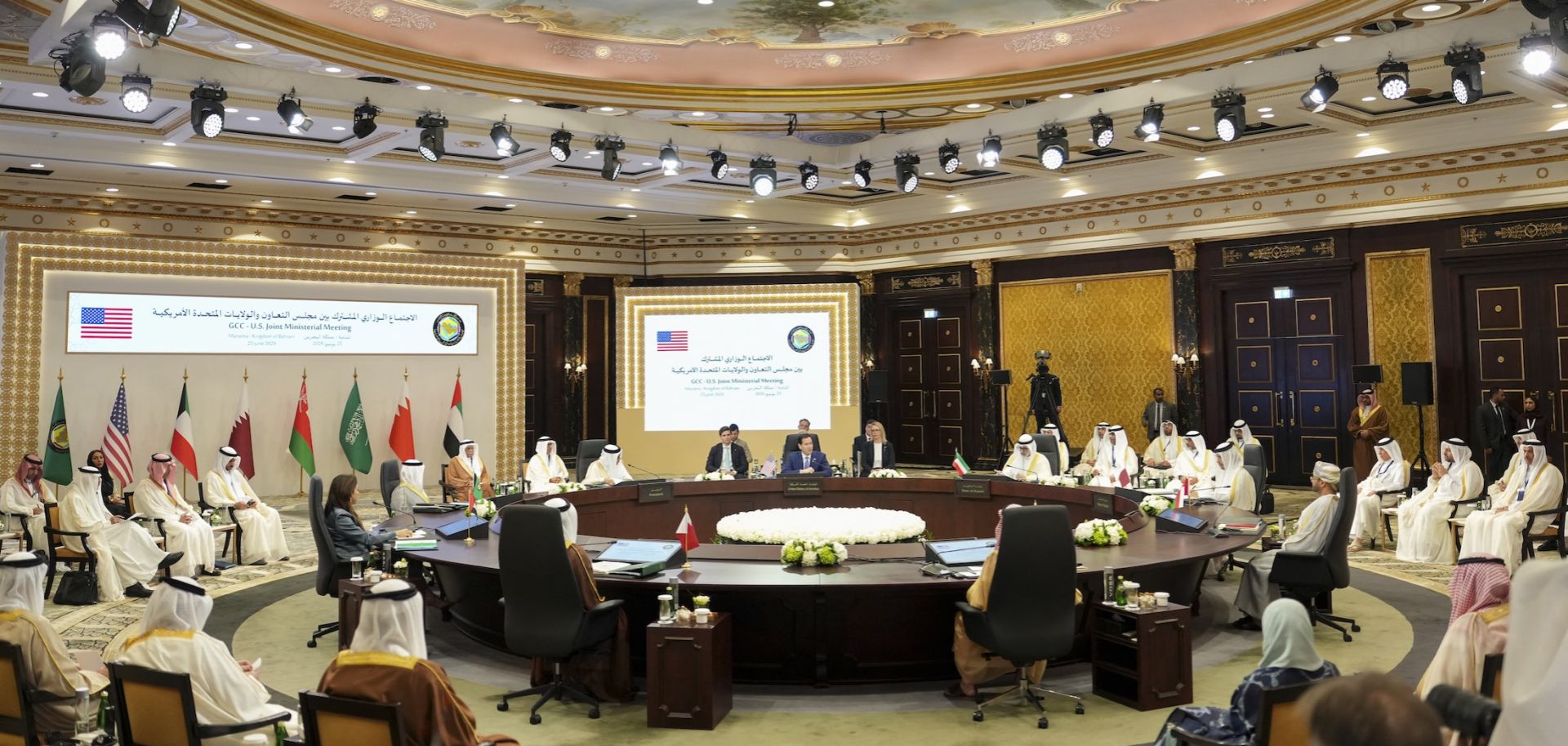
For now, Gulf Arab states will likely facilitate the implementation of the U.S.-Iran memorandum of understanding, but over time, splits will deepen between hawkish states like the United Arab Emirates and more dovish ones like Qatar, weakening Gulf regional unity and making some states priority targets for future Iranian attacks. Gulf Arab states have reacted tepidly to the June 17 signing of the U.S.-Iran agreement, a 14-point document outlining a framework for de-escalation that includes a halt to all military operations across the region, explicitly including Lebanon and a 60-day window for U.S.-Iran nuclear negotiations. The agreement has opened the door for major improvements in regional trade and security conditions, including the lifting of the U.S. and Iranian blockades of the Strait of Hormuz, pledges to see U.S. troops draw down from the region and U.S. efforts to ensure the viability of the agreement by pressuring Israel to contain its...