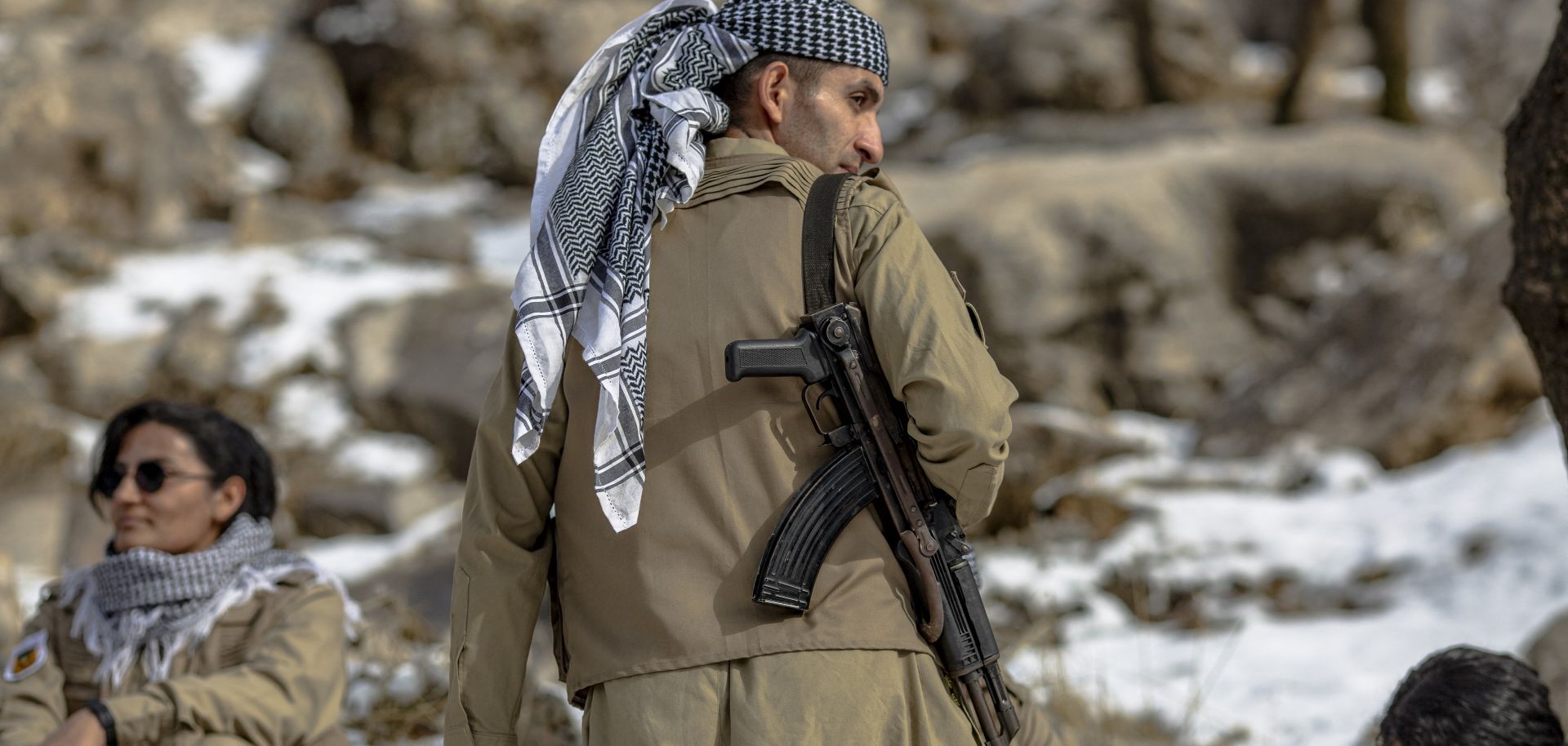
Though the likelihood of a Kurdish offensive against Iranian security forces in the coming weeks is growing, structural constraints mean it would be unlikely to topple the Iranian regime, while simultaneously carrying a significant risk of drawing Turkey and Iraq more deeply into the conflict. On March 5, Iran's Islamic Revolutionary Guard Corps (IRGC) struck Kurdish militant positions in northern Iraq, claiming it was thwarting an infiltration attempt from the region. These developments came amid conflicting reports about the potential start of a Kurdish anti-government offensive in Iran, with some media outlets reporting that one has started and others reporting it is still in the preparatory stages. In recent days, scores of media reports have indicated that the United States is considering leveraging Kurdish armed groups as part of a strategy to increase pressure on the Iranian regime. On March 4, Reuters reported that Iranian Kurdish militias based in Iraqi...