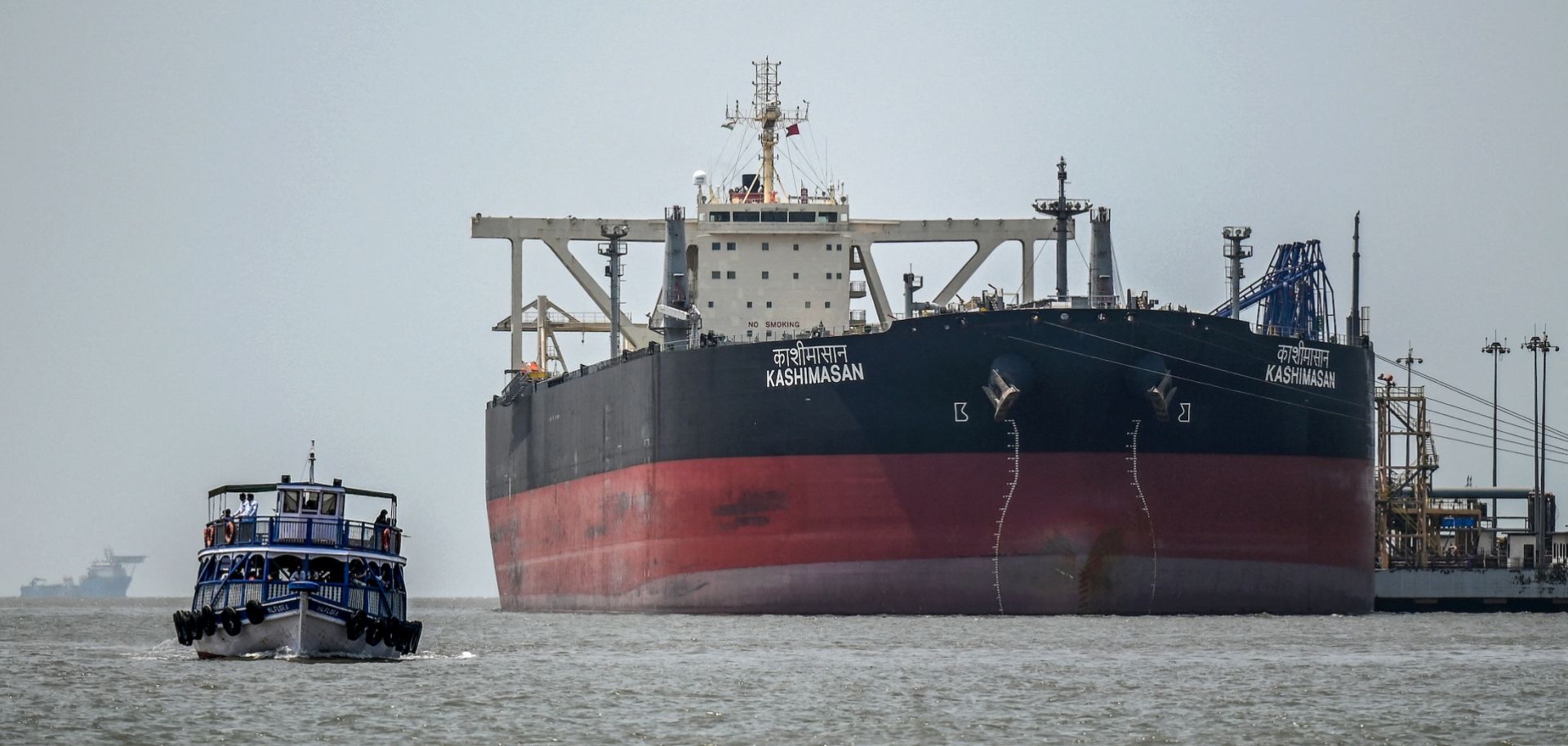
Energy and fertilizer price shocks from the Iran war will increasingly threaten energy supplies, crop yields and economic growth across South Asia, pressuring governments' foreign exchange reserves and heightening unrest risks. The U.S.-Israeli conflict with Iran is driving wide-ranging challenges for South Asian countries, as the ongoing disruptions to Gulf energy and fertilizer supplies continue to drive up global prices on crucial imports. Governments have so far managed the economic fallout from the war by implementing early rationing and austerity measures, as well as pursuing emergency energy supplies and financial assistance from foreign partners. However, a protracted conflict that continues to impede shipping through the Strait of Hormuz would increasingly threaten enduring and expansive energy supply shortages, reduced crop yields and more substantial declines in economic growth across the region, exacerbating existing economic and political instability. Even if the United States, Israel and Iran eventually agree to a more lasting...