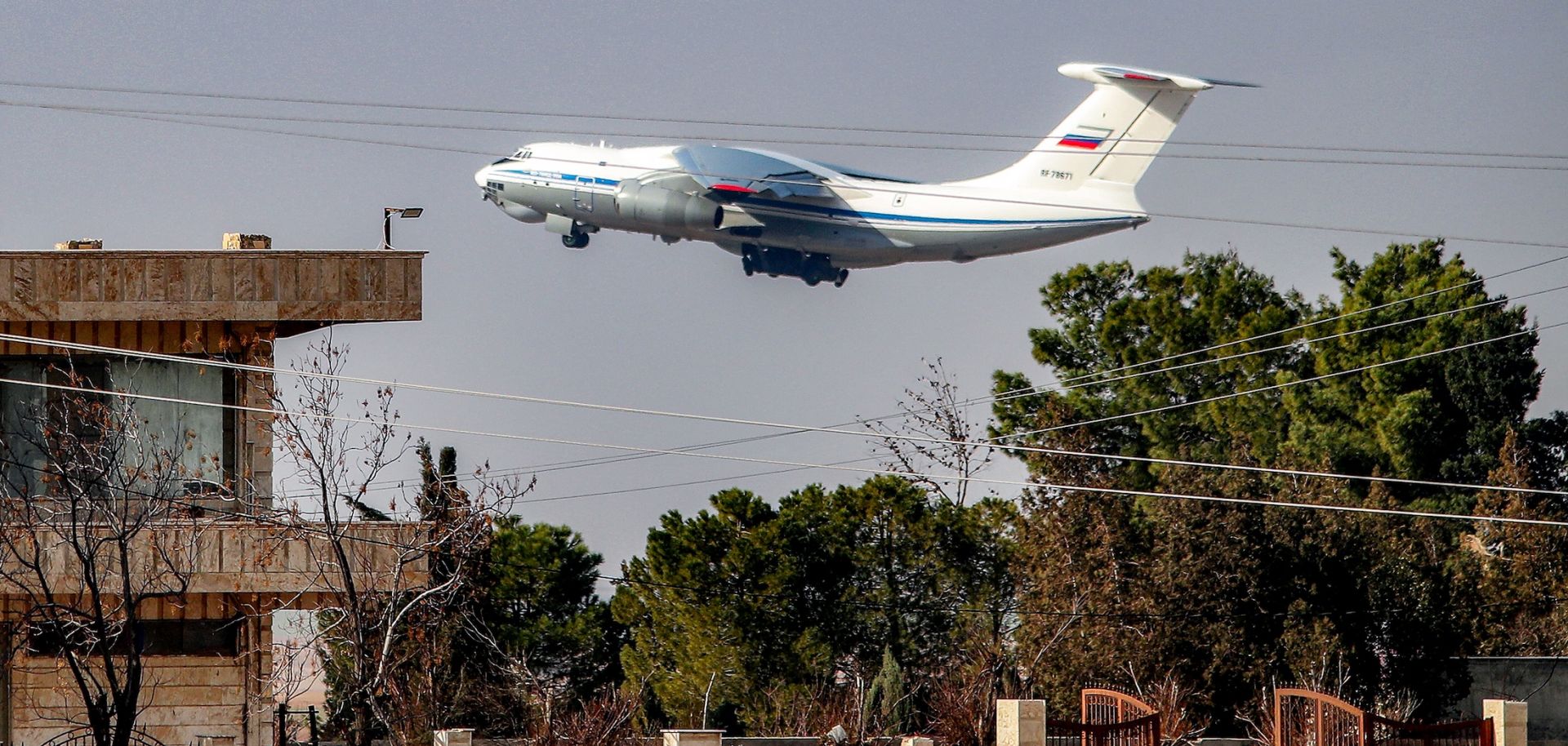
Syria's strategic efforts to appease the United States will likely improve ties and facilitate some reconstruction, but ongoing security challenges will hinder the rapid development of major infrastructure projects in the country, including those designed to bypass the Strait of Hormuz. On Aug. 10, Syria's foreign ministry announced that Russia's two remaining military bases would be converted into joint Russia-Syrian training facilities by the end of the year, formally reducing the U.S. adversary's influence in the country following the fall of Bashar Assad's Russia-backed regime in December 2024. Additionally, on Aug. 11, Axios reported that the International Atomic Energy Agency (IAEA) would be allowed to enter Syria to remove remaining nuclear materials left over from the Assad era. Both actions are intended to appease the United States and, implicitly, Israel by dismantling what had been Russia's main military hub and reducing the risk that Syria will either directly engage in...