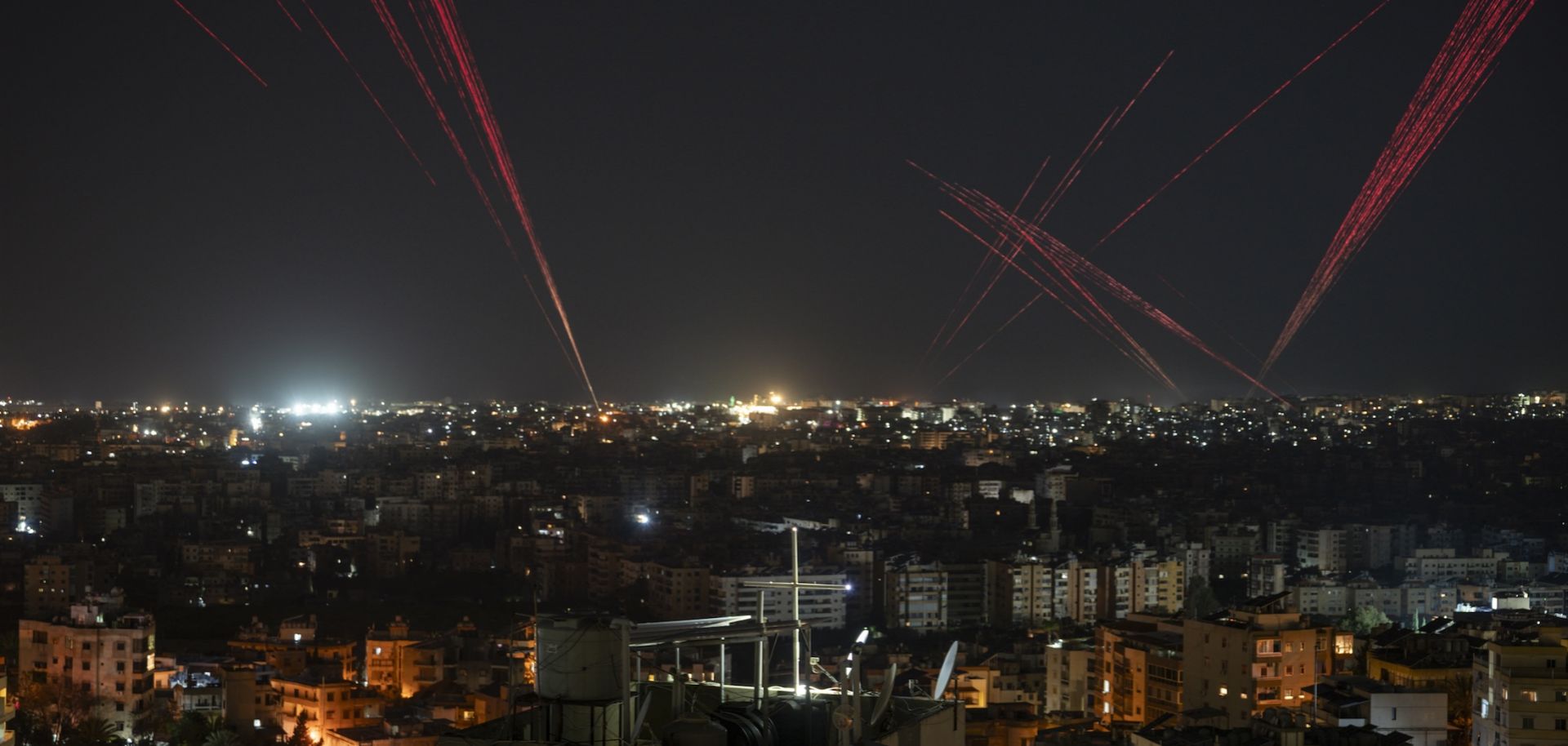
The Israel-Lebanon ceasefire will remain very fragile and prone to collapse, with limited short-term prospects for a larger breakthrough, but any one-sided outcome that favors Israel could destabilize Lebanon via potential new rounds of sectarian fighting, government collapse and/or resumption of cross-border conflict with Israel. On April 16, Israel and Lebanon agreed to a 10-day ceasefire brokered by the United States following direct engagement by US President Donald Trump with Israeli Prime Minister Benjamin Netanyahu and Lebanese President Joseph Aoun. The ceasefire came after over six weeks of conflict between Israel and Hezbollah in which the Israeli military carried out scores of airstrikes across Lebanon and launched a ground offensive in southern Lebanon. The temporary truce is designed to create space for negotiations, including potentially what would be the first direct Israel-Lebanon talks since the early 1980s. The agreement is based on a six-point understanding in which both sides commit...