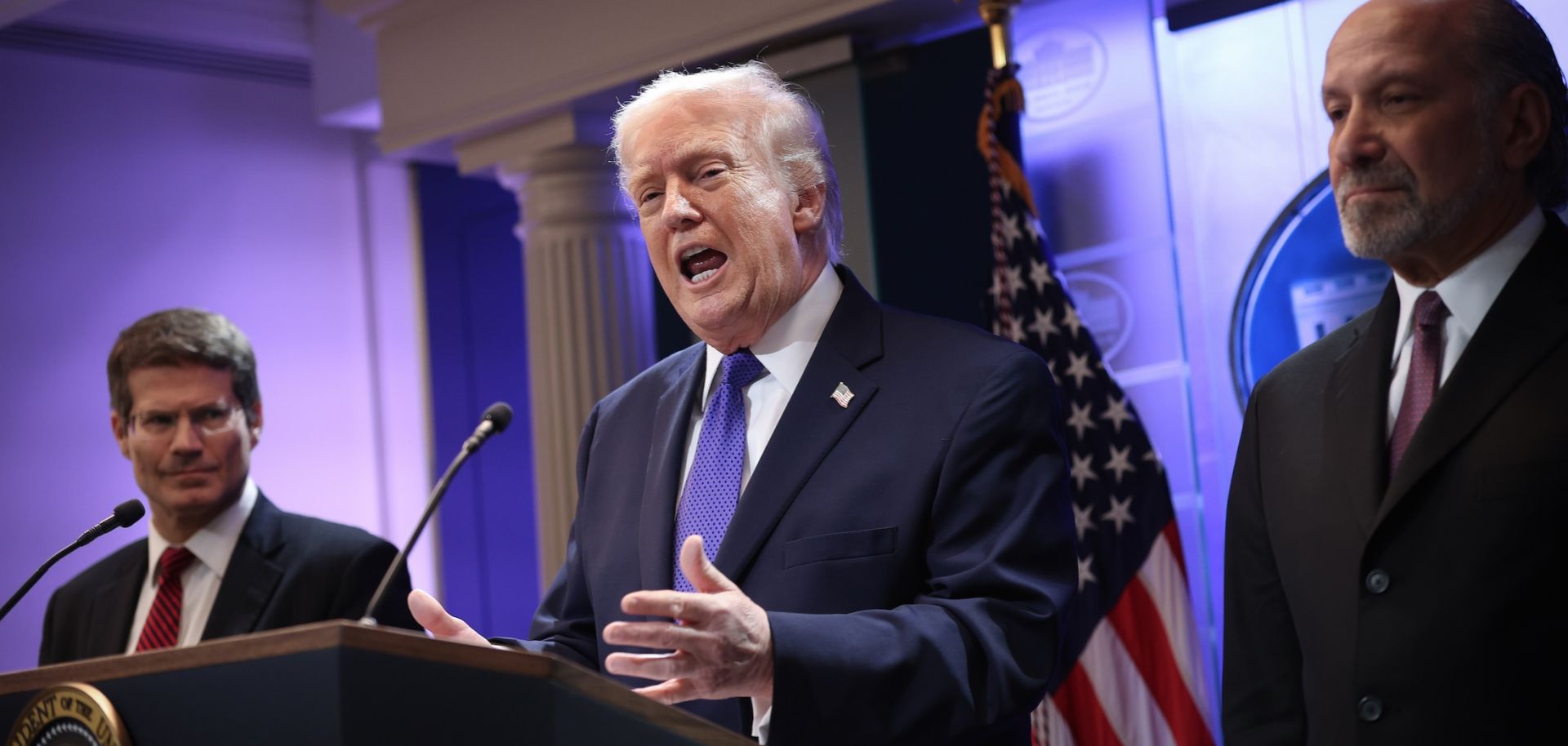
The Trump administration will use other authorities to replace many of the tariffs struck down by the U.S. Supreme Court, which means many countries will still seek to engage with the White House on trade matters, though the ruling could slow plans to implement signed trade deals. The U.S. Supreme Court delivered a major blow to President Donald Trump's trade policy on Feb. 20, striking down the majority of his global tariffs. The decision upheld rulings from two lower courts that found Trump exceeded his authority when using the International Emergency Economic Powers Act (IEEPA) to impose the levies. Upon hearing the news during a meeting with state governors, Trump reportedly called the ruling a "disgrace," but said he had a backup plan for imposing new tariffs. During a press conference after the announcement, Trump announced his intention to sign executive orders later in the day that would invoke Section...