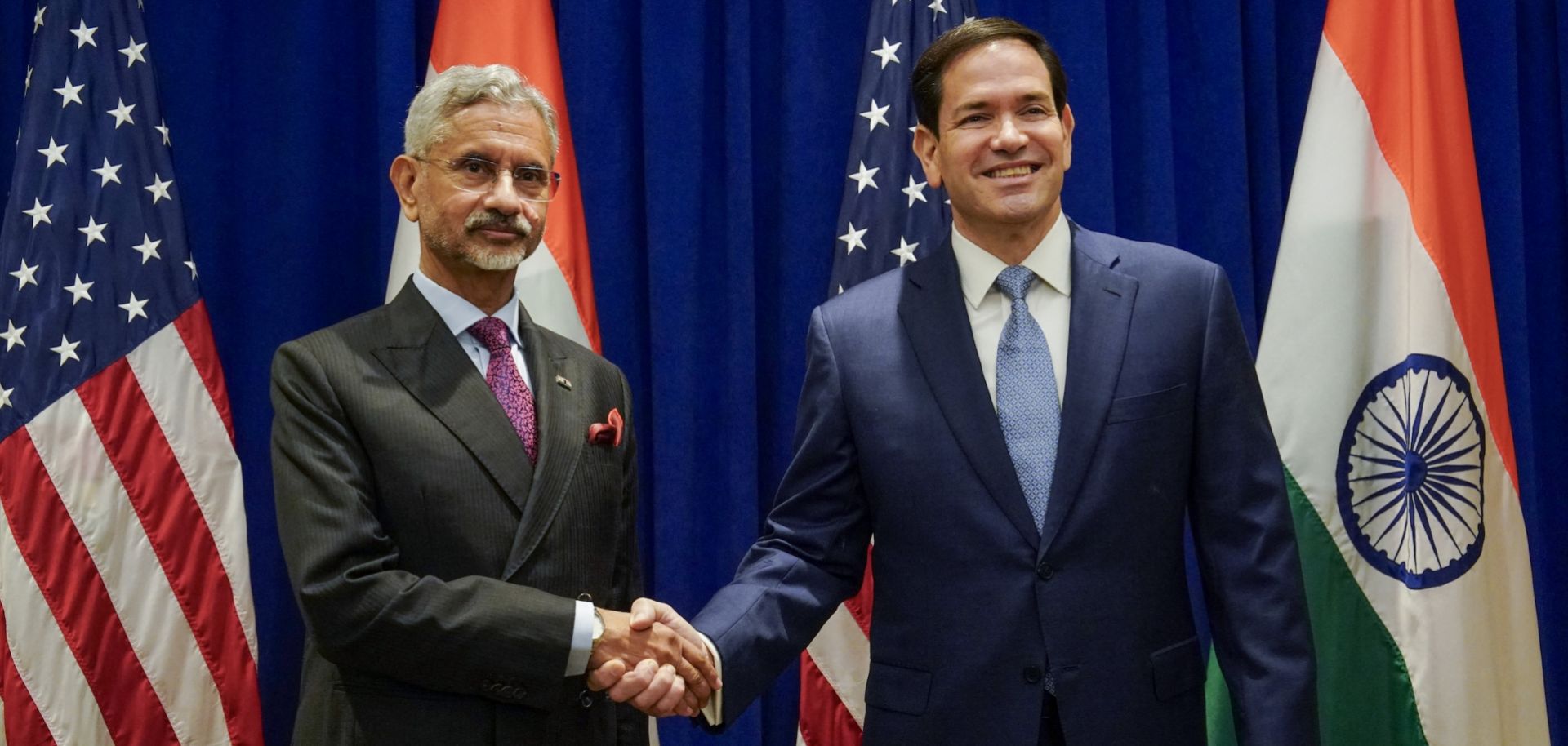
A U.S.-India trade agreement could gradually ease tariffs and regulatory barriers, particularly in tech, industrial and energy sectors, but progress will likely remain constrained by India's domestic priorities in agriculture and manufacturing, as well as U.S. legal and political uncertainties. On Jan. 20, U.S. Treasury Secretary Scott Bessent stated that Indian companies had "stopped" buying Russian oil after the United States further increased tariffs on India to deter such purchases -- a move that has since fueled tensions between the two countries. Bessent's comments followed a Jan. 13 meeting between U.S. Secretary of State Marco Rubio and Indian External Affairs Minister Subrahmanyam Jaishankar, where they discussed ongoing bilateral trade negotiations, as well as cooperation on energy security and critical minerals. Since taking office in January, the administration of U.S. President Donald Trump has levied some of the world's highest tariffs on India, totaling 50%. Despite months of talks and multiple...